Why I Build Desktop Automation Tools
Why focused desktop software still matters for repetitive workflows, account sessions and controlled automation.
The Problem I Keep Seeing
In a world obsessed with cloud-based SaaS, there is a massive blind spot: the reality of how heavy digital operations actually run. Cloud tools are great for collaboration, but when you are managing fifty social media accounts, orchestrating local AI generation models, or processing gigabytes of raw video files, the browser becomes a severe bottleneck.
I constantly see operators fighting against web-based limitations. They deal with expiring login sessions, IP flagging, slow upload speeds, and browser tabs crashing under the weight of heavy tasks. It became clear to me that certain workflows fundamentally belong on the desktop.
Why Desktop Tools Still Matter
Desktop software has direct access to the local file system, the network, and the hardware. This means it can perform tasks that web apps simply cannot. It can automatically scan a local folder for new video renders, process them through a local FFMPEG script, and begin uploading them in the background without requiring the user to drag-and-drop anything into a browser window.
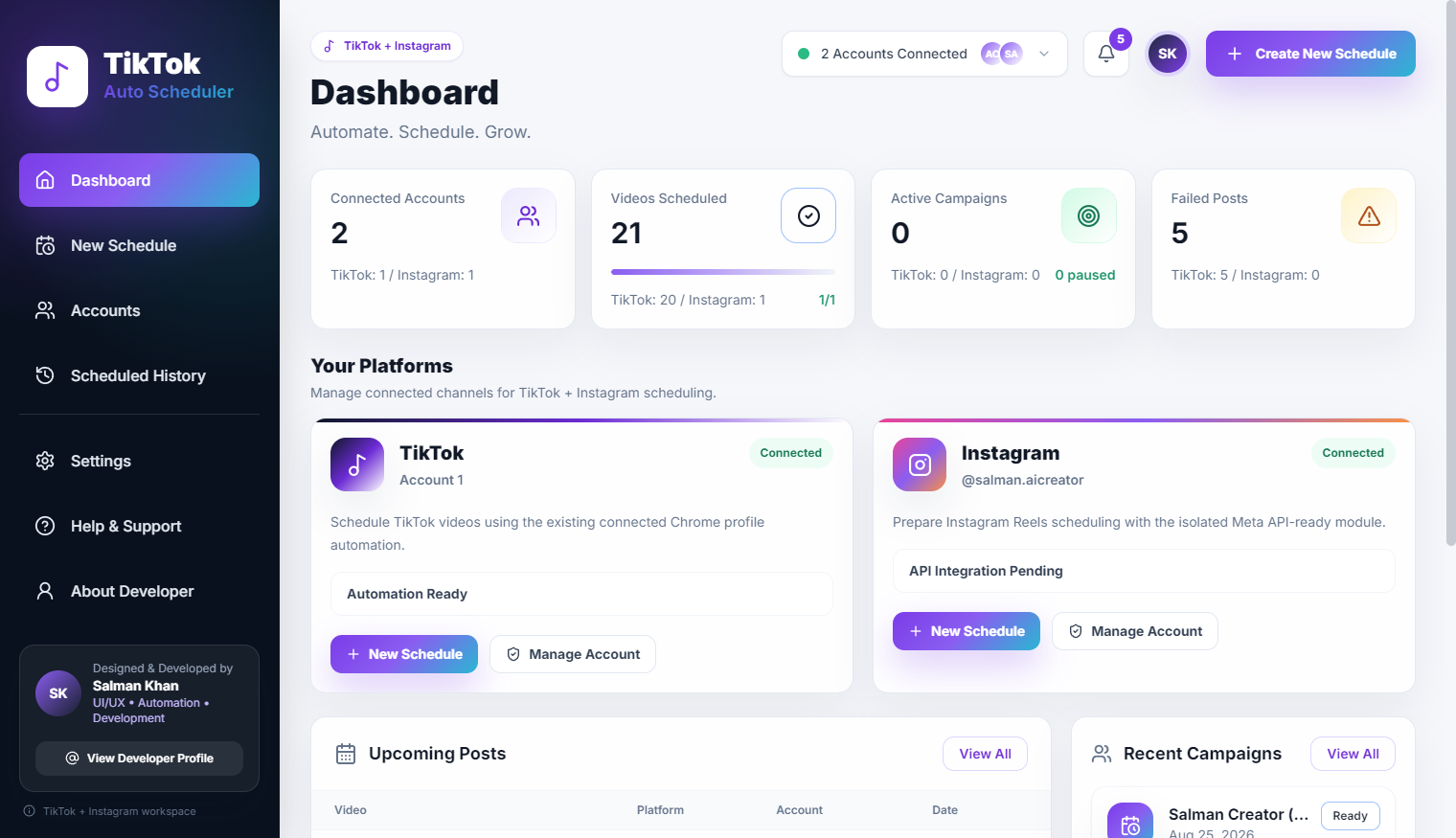
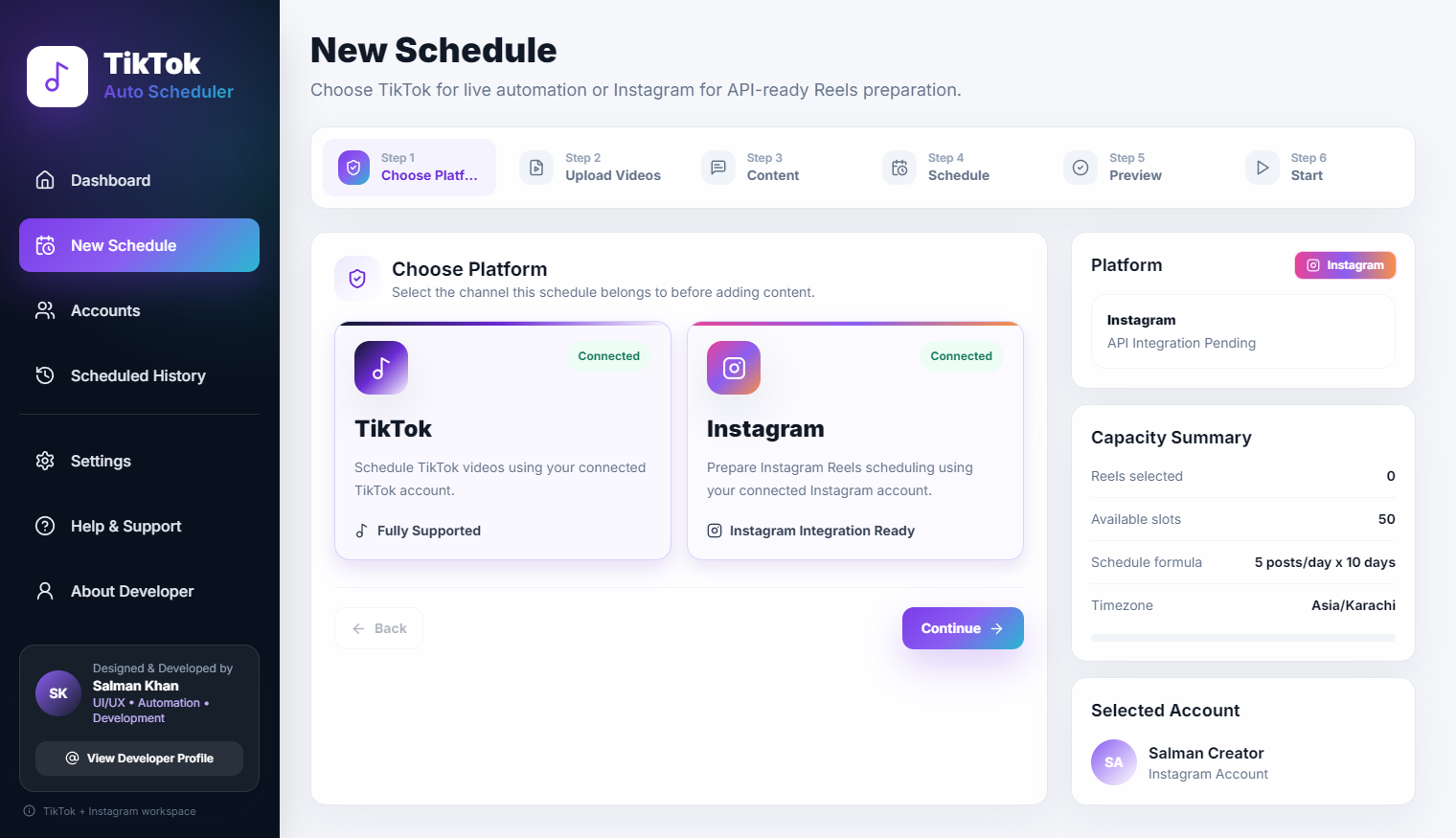
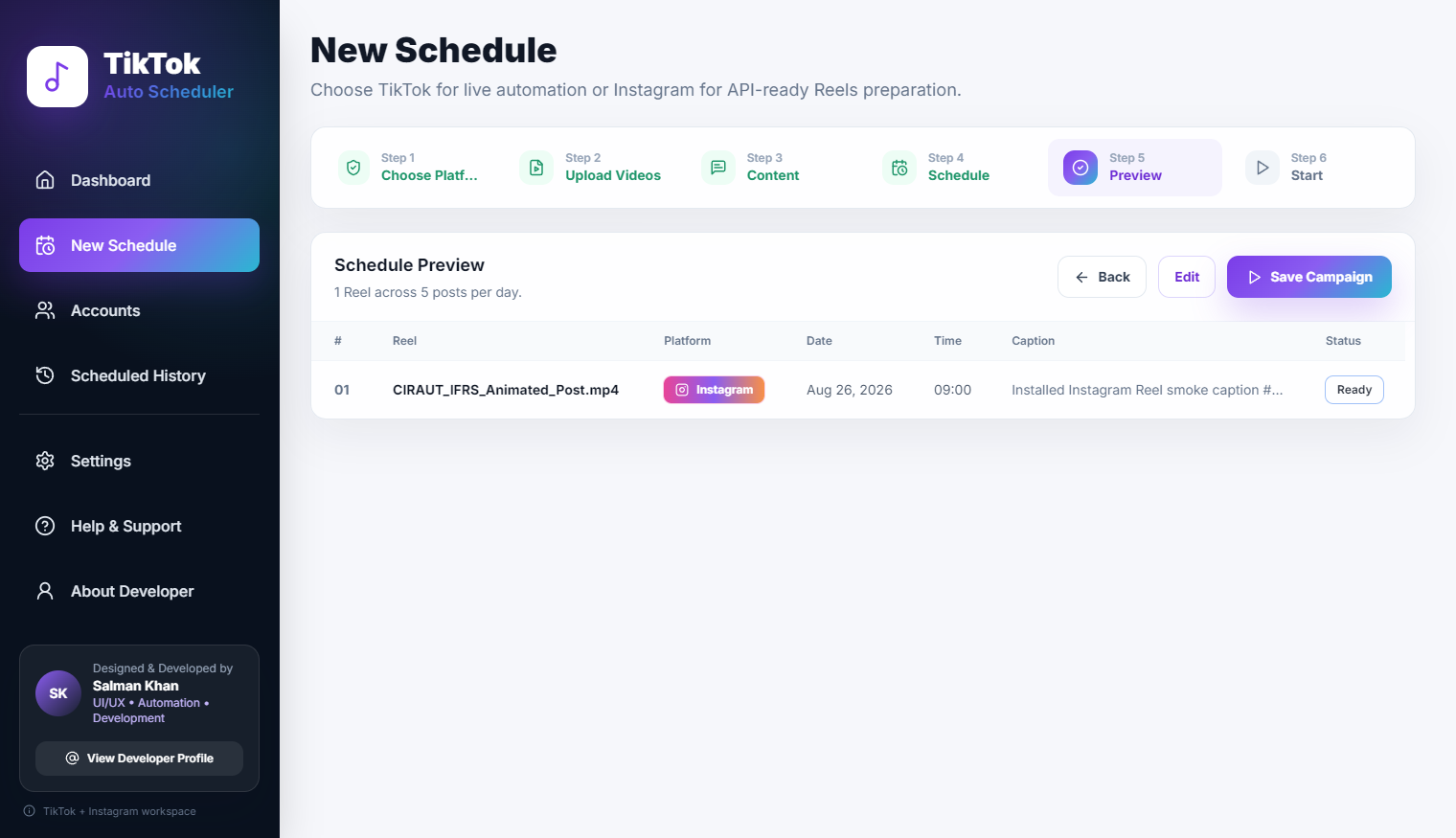
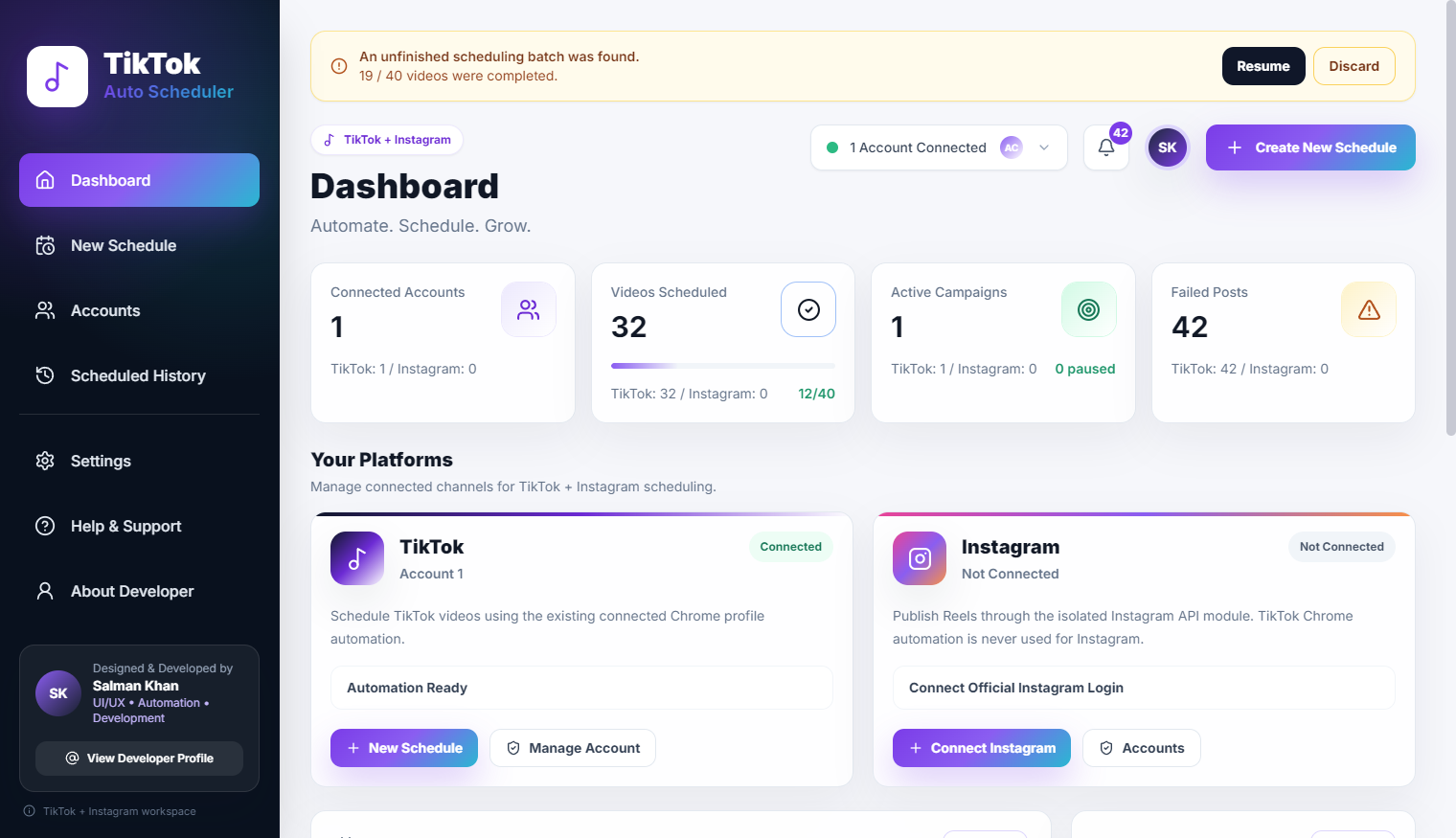
Furthermore, desktop tools allow for precise control over browser environments. Using frameworks like Electron, you can spin up isolated, persistent Chromium profiles for different accounts. This is exactly how tools like the TikTok Auto Scheduler and Facebook Auto Scheduler operate. They maintain the session state locally, meaning you don't have to constantly re-authenticate.
Turning Repetition Into Software
The philosophy behind my software is simple: if a user has to click the exact same sequence of buttons more than ten times a day, it should be a script. But a raw script is fragile and intimidating to non-technical users. The value I provide is taking that raw automation logic and wrapping it in a resilient, user-friendly interface.
When you turn repetition into software, you aren't just saving time; you are standardizing the outcome. A human might forget to add a specific tag on the 40th upload of the day. The software will perform the action perfectly every single time, whether it's the 1st or the 1000th iteration.
Why UI Matters
Automation software has a reputation for being ugly, complex, and filled with dense logging terminals. I strongly disagree with this approach. Just because a tool is performing complex backend automation does not mean the user should be exposed to that complexity.
The UI must distill the process down to its core inputs. The user needs to know: What is in the queue? What is currently processing? Did anything fail? A clean, well-designed interface builds trust between the operator and the automation.
Building Around Real Workflows
I don't build theoretical tools; I build tools that solve immediate, bleeding-neck problems. When I created the YouTube Auto Uploader, it was because the sheer friction of manually filling out the YouTube Studio upload form for daily shorts was destroying consistency.
Similarly, Agnes AI Video Studio and Dola AI Video Studio were born out of the necessity to manage the chaotic output of generative AI models. Generating one video is easy; orchestrating a workflow that generates, tracks, and organizes hundreds of them requires dedicated software architecture.
Product Examples
My ecosystem is built entirely around these principles. The TikTok Auto Scheduler and Facebook Auto Scheduler handle the brutal mechanics of high-volume social publishing. The YouTube Auto Uploader bypasses the tedious manual upload process. Agnes AI Video Studio and Dola AI Video Studio tame the wild west of AI generation. And the overarching Social Media OS ties it all together.
Final Thoughts
We are living in an era of incredible digital leverage, but that leverage is often trapped behind tedious manual interfaces. Desktop automation tools are the key to unlocking that leverage. They bridge the gap between human strategy and machine execution, allowing small teams to operate at a scale that was previously impossible.